
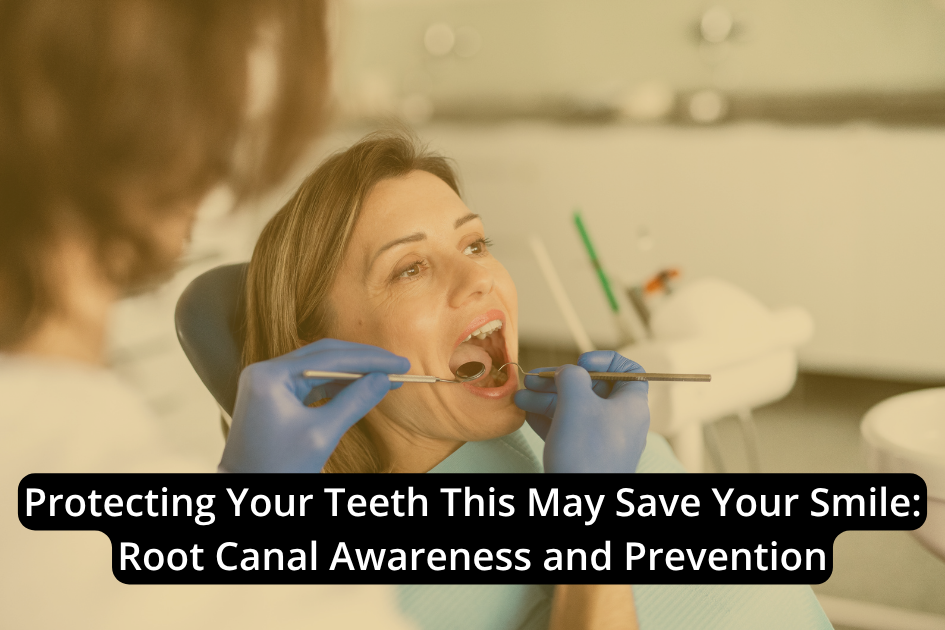
Isn’t it surprising how many of us overlook the signs of dental distress? Understanding root canals is essential for maintaining our oral health. By recognizing early indicators such as persistent pain or discoloration, we can prevent more severe issues down the line. Yet, misconceptions often keep us from seeking necessary care. So, what exactly should we understand about root canal treatments, and how can we effectively prevent complications? Let’s explore this important topic together.
What Is a Root Canal and Why Is It Needed?
A root canal is a dental procedure we perform to treat infections that affect the tooth pulp. These infections often arise from factors like deep decay, cracks, or trauma. By addressing the infection, we can save the tooth and prevent more serious complications.
Understanding Tooth Infections
Tooth infections can lead to severe pain and complications if not addressed promptly. Recognizing symptoms of an infected tooth, such as a persistent toothache or sensitivity to temperature, is essential. These signs that you need a root canal indicate that infection has spread to the tooth pulp. Root canal treatment effectively removes the infected pulp, preventing the need for tooth extraction. Additionally, proper oral hygiene plays an important role in preventing root canals by reducing the risk of infections. Early intervention through tooth infection treatment can save your tooth and improve overall dental health, ensuring we’re all smiling comfortably for years to come.
Common Causes of Root Canal Problems
When we consider the health of our teeth, it’s essential to recognize the common causes that lead to root canal problems. Poor oral hygiene often results in dental infections, which can manifest as root canal symptoms like persistent toothaches and severe tooth sensitivity. Additionally, untreated cracked teeth may expose the pulp, requiring cracked tooth treatment. To prevent root canals, we should prioritize regular dental check-ups and maintain good oral hygiene practices. Ignoring early signs can escalate the need for dental infection treatment, potentially leading to tooth loss. Staying proactive helps us preserve our natural teeth and overall oral health.
Signs You May Need a Root Canal
When we notice tooth pain or sensitivity, it’s essential to pay attention, as these may signal the need for a root canal. Other warning signs, like discoloration or swelling, can indicate underlying issues that require prompt attention. Recognizing these symptoms early can help us maintain our dental health and prevent more serious complications.
Tooth Pain and Sensitivity
Could lingering sensitivity or a persistent ache signal a deeper issue? These symptoms often indicate that we may need a root canal. If we experience prolonged sensitivity to hot or cold, or if we face ongoing tooth pain, it’s essential to consult a tooth pain dentist in McGregor. These signs are key indications that you may need a root canal, as they often point to infection within the tooth pulp. Root canal therapy effectively provides tooth pain relief and is a critical aspect of restorative dentistry, ensuring our oral health and comfort for years to come.
Other Warning Signs to Watch For
What signs should we be vigilant about that might indicate the need for a root canal? Key indications include a persistent toothache, lingering sensitivity to hot or cold, and visible discoloration of a tooth. We should also watch for swelling or tenderness in the gums, which may signal an infection. If any of these symptoms arise, seeking emergency dental care can prevent further complications. Understanding these warning signs is essential for effective oral health prevention. If we notice any concerning symptoms, restorative dental care in McGregor, TX, can provide the necessary evaluation and root canal procedure to preserve our dental health.
Common Myths About Root Canals

Many of us have heard that root canals are painful or that extracting a tooth is a better option. However, these beliefs are often based on misconceptions. Let’s clarify the facts surrounding the discomfort associated with root canals and why preserving a tooth can be more beneficial than extraction.
Are Root Canals Painful?
When considering whether root canals are painful, it’s essential to dispel common myths surrounding the procedure. Many people fear pain, but a skilled root canal dentist uses local anesthetics and sedation to guarantee comfort. In fact, saving natural teeth through a root canal often alleviates existing pain from infection. Family dentists emphasize that the procedure is designed to eliminate discomfort, not induce it. By choosing a qualified dentist, we can maintain oral health and avoid unnecessary extractions. Trust the process; your smile and comfort are worth it.
Is Extraction Better Than Saving the Tooth?
Is extraction truly a better option than saving a tooth? While some might think so, we often find that root canals are a more effective choice. Root canals eliminate infection and allow us to preserve the tooth, which can later be restored with dental crowns after root canal treatment. At Main Street Dental, our McGregor dentist emphasizes the importance of saving natural teeth whenever possible, as extraction can lead to further complications. By choosing to save the tooth, we not only maintain your smile but also enhance your overall oral health. Let’s prioritize preservation over extraction whenever we can.
What Happens During Root Canal Treatment
During a root canal treatment, we clean and seal the affected tooth to eliminate infection and restore its function. After removing the infected pulp, we carefully fill the canal and seal it to prevent future issues. Finally, we may recommend further restoration with a filling or crown to guarantee the tooth’s strength and appearance.
Cleaning and Sealing the Tooth
Cleaning and sealing the tooth is an essential step in root canal treatment. After we access the tooth through a small opening, we carefully remove the infected pulp and clean the canal using specialized instruments. This process guarantees all debris and bacteria are eliminated, reducing the risk of future infections. Once cleaned, we thoroughly disinfect the canal to prepare it for sealing. We then use biocompatible materials to fill the canal, guaranteeing a tight seal that prevents reinfection. This meticulous cleaning and sealing process is imperative for restoring your tooth’s health and function, allowing it to remain a valuable part of your smile.
Restoring the Tooth After Treatment
Once we’ve successfully cleaned and sealed the tooth, restoring it is the next critical step in root canal treatment. We typically place a filling or crown to protect the tooth and restore its function. This not only enhances the tooth’s appearance but also reinforces its structure, ensuring it can withstand normal chewing forces. We’ll carefully match the restoration to your natural tooth color for a seamless look. After restoration, maintaining proper oral hygiene is essential to prolong the tooth’s longevity. By following our care instructions, we can help keep your restored tooth healthy and functional for years to come.
How to Prevent Root Canal Problems
To prevent root canal problems, we must prioritize daily oral hygiene habits and regular dental visits. Brushing, flossing, and using mouthwash help keep our teeth and gums healthy, reducing the risk of infections. Additionally, routine check-ups allow early detection of potential issues before they escalate.
Daily Oral Hygiene Habits
Maintaining strong oral hygiene habits is essential for preventing root canal issues. We should brush our teeth at least twice a day using fluoride toothpaste, ensuring we cover all surfaces. Flossing daily helps remove plaque and food particles between teeth, which toothbrushes can’t reach. Mouthwash can further reduce bacteria and freshen breath. It’s vital to monitor for any signs of tooth sensitivity or discomfort, as early detection can prevent more serious problems. By committing to these habits, we not only protect our teeth but also enhance our overall oral health, reducing the likelihood of needing invasive procedures like root canals.
The Importance of Routine Dental Visits
While we often underestimate the importance of routine dental visits, these appointments play an essential role in preventing root canal problems. Regular check-ups allow us to detect issues like cavities or infections early, before they escalate into more serious conditions. During these visits, our dentist can assess tooth health and recommend appropriate treatments, ensuring we maintain ideal oral hygiene. Furthermore, professional cleanings remove plaque and tartar buildup, minimizing the risk of gum disease, which can lead to tooth infections. By prioritizing these visits, we safeguard our teeth and overall health, greatly reducing the chances of needing a root canal.
Protecting Your Smile with Early Treatment
Early care is essential in maintaining our smiles and preventing more extensive dental issues. By addressing problems promptly, we not only save our natural teeth but also enjoy long-term benefits, such as improved oral health and reduced treatment costs. Let’s explore how proactive dental visits can protect our smiles for years to come.
Why Early Care Matters
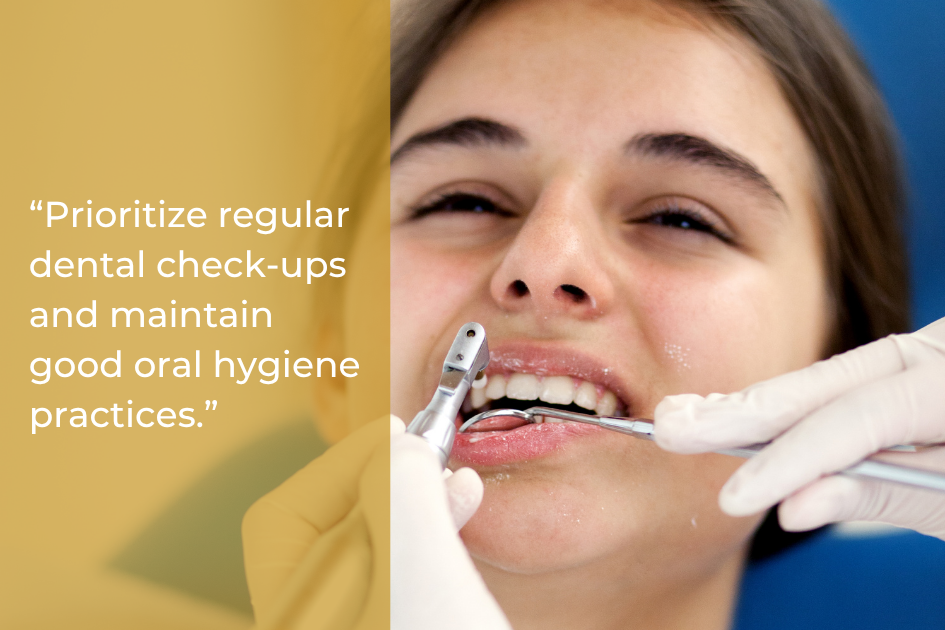
Understanding the significance of timely dental care can make all the difference in preserving our smiles. When we address issues like tooth sensitivity or persistent pain early, we can often avoid more invasive procedures, such as root canals. Catching infections early helps us eliminate harmful bacteria before they spread, preventing more severe complications. Additionally, early intervention often leads to less discomfort and quicker recovery times. By prioritizing regular check-ups and being vigilant about our oral health, we not only protect our teeth but also enhance our overall well-being, ensuring our smiles remain vibrant and healthy for years to come.
Long-Term Benefits of Saving Natural Teeth
Proactively addressing dental issues not only helps us avoid invasive procedures like root canals but also plays a significant role in preserving our natural teeth. By saving our natural teeth, we maintain proper alignment, which supports overall oral health. Natural teeth enhance our ability to chew efficiently, improving digestion and nutritional intake. They also contribute to our facial structure, preventing sagging and maintaining our smile’s aesthetics. Additionally, preserving teeth reduces the need for costly replacements or extensive treatments down the line. With early intervention, we can guarantee longevity for our teeth, enhancing both our health and quality of life.
Conclusion
Understanding root canals and their importance can empower us to take charge of our dental health. While root canals are often associated with fear or discomfort, modern techniques and advanced anesthesia have made treatment far more comfortable than many people expect. In most cases, the procedure feels similar to getting a routine filling. By recognizing the warning signs early and separating myths from facts, we can protect our natural teeth and avoid more serious complications down the road. Preventive care, healthy daily habits, and regular dental visits all play an important role in keeping our smiles strong and healthy for years to come.
If you are experiencing tooth pain or sensitivity, schedule an appointment with Main Street Dental in McGregor and let our team help protect your smile with compassionate, personalized care.
