 Skip to content
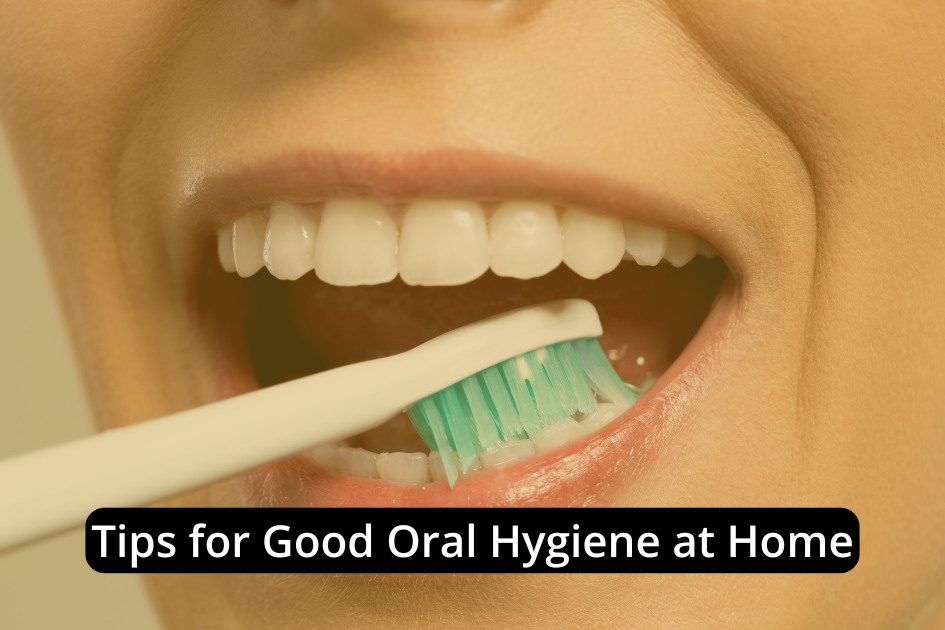
Let’s address what too many of us quietly postpone: consistent, evidence-based home care. We brush twice daily for two minutes using a soft brush at a 45-degree angle, floss once to disrupt interdental biofilm, and use fluoride toothpaste along with an alcohol-free mouthwash. We also clean the tongue, limit fermentable carbohydrates, and hydrate to support saliva. Yet the real gains come from technique, timing, and tools we often overlook, and that’s where small changes prevent costly problems.
Brush Smarter: Technique, Timing, and Tools
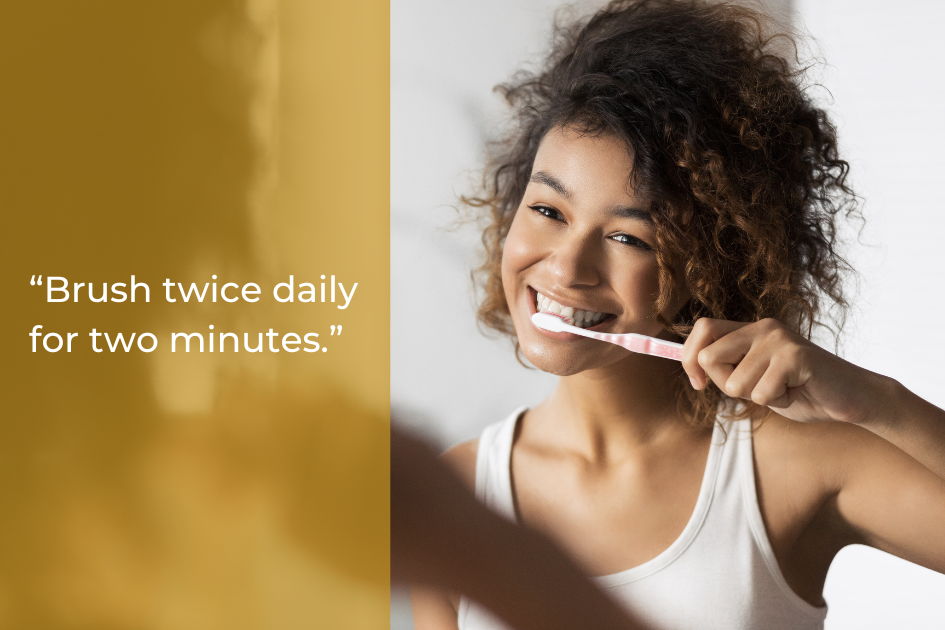
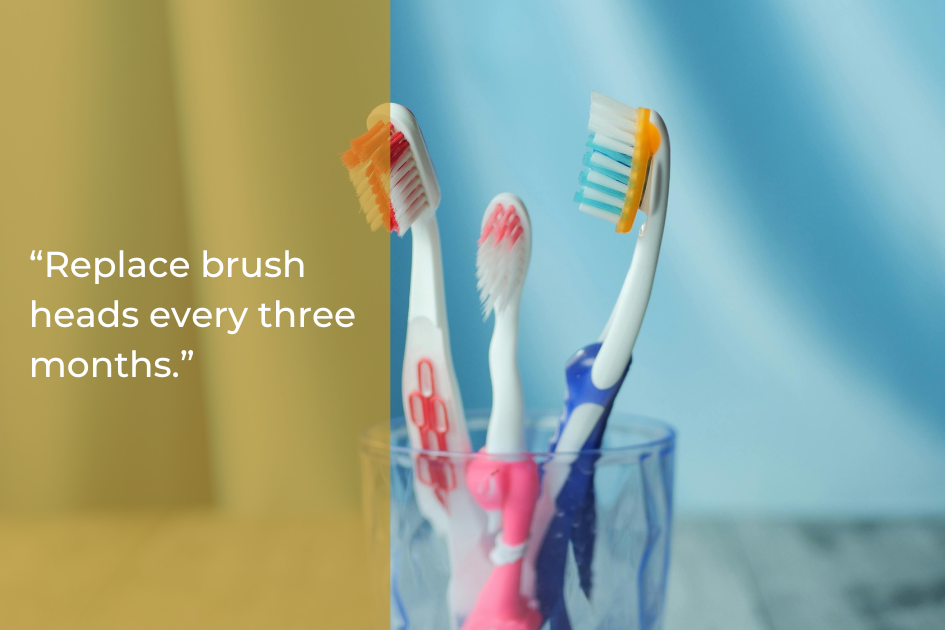
Although most of us brush our teeth daily, the outcomes hinge on technique, timing, and the right tools. Let’s refine brushing techniques: position bristles at a 45-degree angle to the gingival margin for ideal plaque disruption; perform short, controlled strokes with systematic coverage. Timing matters, twice daily for two minutes, and wait 30 minutes after acidic foods. Tool selection influences efficacy; a soft-bristled brush or oscillating-rotating electric head performs best. Use pea-sized fluoride dentifrice. Monitor pressure application to avoid abrasion; many electronics provide pressure sensors. Execute angle adjustment on posterior surfaces and along the gumline. Replace brush heads every three months or when splayed.
Floss Daily to Reach Where Brushes Can’t
Even with excellent brushing, interproximal biofilm persists where bristles can’t access, so we floss daily to disrupt plaque between teeth and just below the gingival margin. We recommend evidence-based flossing techniques: slide gently past the contact, curve into a C-shape, and stroke vertically along each root surface. Choose floss types, waxed, unwaxed, PTFE, tape, or floss picks, based on contact tightness and dexterity. Avoid common mistakes: snapping, skipping the distal of last molars, or inconsistent sequencing. Flossing benefits include reduced gingival inflammation and caries risk. For flossing for children, we guide caregivers, use floss holders, and reinforce daily habit formation.
Choose the Right Toothpaste and Mouthwash
Because formulations target specific conditions, we match toothpaste and mouthwash to your needs: fluoride (1,000–1,500 ppm) or prescription 5,000 ppm to prevent caries; potassium nitrate or 5% NovaMin/8% arginine for dentin hypersensitivity; triclosan-free options; low-abrasivity (RDA ≤70) for enamel and exposed root surfaces; and SLS-free for recurrent aphthae. We assess toothpaste types by fluoride content, abrasivity, and therapeutic agents, not marketing claims. For mouthwash benefits, we prefer alcohol-free, cetylpyridinium chloride, or essential-oil rinses for plaque reduction; 0.05% NaF rinses for additional remineralization. Natural ingredients may aid acceptance, but must show efficacy. Consider flavor preferences to support consistent, twice-daily adherence.
Clean Your Tongue for Fresher Breath
While teeth and gums get most of the attention, the tongue harbors a dense biofilm that traps volatile sulfur compounds, producing bacteria, a leading cause of halitosis. We should disrupt this layer daily. Evidence favors tongue cleaning methods using a rigid scraper over a brush for superior bacteria removal strategies. Here’s how: extend the tongue, place the scraper posteriorly, apply gentle pressure, and draw forward 5–10 strokes, rinsing between passes. Pair with fresh breath techniques like water rinses and alcohol-free mouthrinse. Tongue scraper benefits include reduced malodor and improved taste perception. As oral hygiene tools, scrapers are low-cost, rapid, and highly effective.
Eat for Your Teeth: Smile-Friendly Nutrition
How does what we eat shape oral health? We influence enamel integrity, salivary function, and biofilm behavior with daily choices. Let’s prioritize nutrient-rich foods: lean proteins for amino acids, dairy and fortified plant milks as calcium sources, plus vitamin D and phosphorus for remineralization. Choose crisp produce for fiber benefits; chewing stimulates saliva and mechanically disrupts plaque. Replace fermentable sugars with sugar alternatives that don’t fuel acidogenic bacteria. Limit ultra-processed snacks; pair starches with protein. Emphasize nuts, yogurt, cheese, leafy greens, and whole grains. Mind hydration importance while avoiding sugary beverages. Time sweets with meals and avoid frequent sipping.
Hydration and the Power of Fluoridated Water
Smart nutrition sets the stage; now we’ll focus on fluids. Ideal water consumption supports saliva flow, buffering acids, and clearing fermentable carbohydrates. That dental hydration reduces caries risk and mucosal irritation. Choose fluoridated water for proven enamel remineralization; fluoride ions integrate into hydroxyapatite, increasing acid resistance and arresting early lesions. We’ll avoid sugar‑sweetened beverages that lower pH and erode enamel. Sip water during and after meals to normalize oral pH and dilute plaque biofilm metabolites. For dry mouth, frequent small sips improve lubrication and speech. Consistent hydration benefits extend to halitosis reduction and tissue health, strengthening overall oral health daily.
Replace Your Toothbrush on Schedule
Every 3–4 months, we should replace toothbrushes because worn bristles lose stiffness, reduce plaque removal, and can harbor microbial biofilm. Bristle wear accelerates with heavy force, abrasive toothpaste, and certain toothbrush types. A predictable toothbrush lifespan supports gingival health and biofilm control.
- Use replacement reminders: calendar alerts, phone apps, or color-fade indicators on bristles.
- Swap sooner after illness, visible splaying, or if an electric head shows fraying.
- Practice proper disposal: detach electric heads, recycle plastic where accepted, or repurpose for household cleaning, never reuse intraorally.
Select soft bristles, verify ADA acceptance, and maintain neutral brushing force.
Protect Enamel: Limit Acidic and Sugary Drinks
Although they’re common in daily routines, acidic and sugar-sweetened beverages erode enamel and fuel cariogenic biofilm. We recommend minimizing acidic beverages (sodas, energy drinks, citrus juices) and pairing any intake with water to neutralize pH. To reduce enamel erosion, limit sipping frequency, use a straw, and avoid brushing for 30 minutes after acids. Choose fluoridated water, unsweetened dairy, or tea. We’ll advise spacing sugary snacks to mealtimes to reduce demineralization cycles. Read labels for added sugars and acids (citric, phosphoric). Chew xylitol gum to stimulate saliva. These preventive measures protect dental health and preserve enamel integrity long-term.
Don’t Skip Regular Dental Checkups and Cleanings
While home care matters, routine exams and professional prophylaxis are essential to prevent disease, we can’t fully address this with brushing and flossing alone. We remove calcified biofilm, screen for caries and periodontitis, and measure risk factors. The importance of consistency is clear: six‑month intervals reduce inflammatory burden and intercept lesions early.
- We personalize dental anxiety solutions, quiet appointments, desensitization, and topical anesthetics to improve tolerance and outcomes.
- We emphasize the benefits of preventive care: reduced restorative need, stabilized periodontal metrics, and earlier oral cancer detection.
- We provide patient education resources and support understanding dental insurance so you maximize covered cleanings, exams, and radiographs without surprise costs.
Build a Consistent Morning and Night Routine
Because habits drive outcomes, we help you anchor a simple, repeatable oral hygiene routine in the morning and at night: two minutes of fluoride toothpaste brushing with a soft, small‑headed brush, interdental cleaning (floss or interdental brushes) once daily, and a therapeutic rinse when indicated (e.g., 0.05% sodium fluoride for caries risk, alcohol‑free chlorhexidine short‑term for gingival inflammation).
We strengthen morning motivation by pairing brushing with a fixed cue (shower, coffee brew). For nighttime rituals, we brush after the last calorie intake. To overcome consistency challenges, we set alarms, place supplies visibly, and log habit tracking in an app. Encourage family involvement: brush together, reward streaks, and audit technique weekly.
Conclusion
Together, we polish a small shield each day, bristles sweeping, floss threading, fluoride sealing, so plaque can’t breach our defenses. We map the mouth methodically: two minutes, 45 degrees, interdental spaces, tongue dorsum. We fuel the system with water, fiber, and limited fermentable carbohydrates, protecting enamel from acid assault. We replace worn tools on schedule and verify outcomes at routine checkups. With consistent morning and night rituals, our smile becomes a well-fortified gate, clean, resilient, and clinically sound. Start today: set a two-minute timer, floss tonight, and book your next dental checkup to stay on track.
