 Skip to content
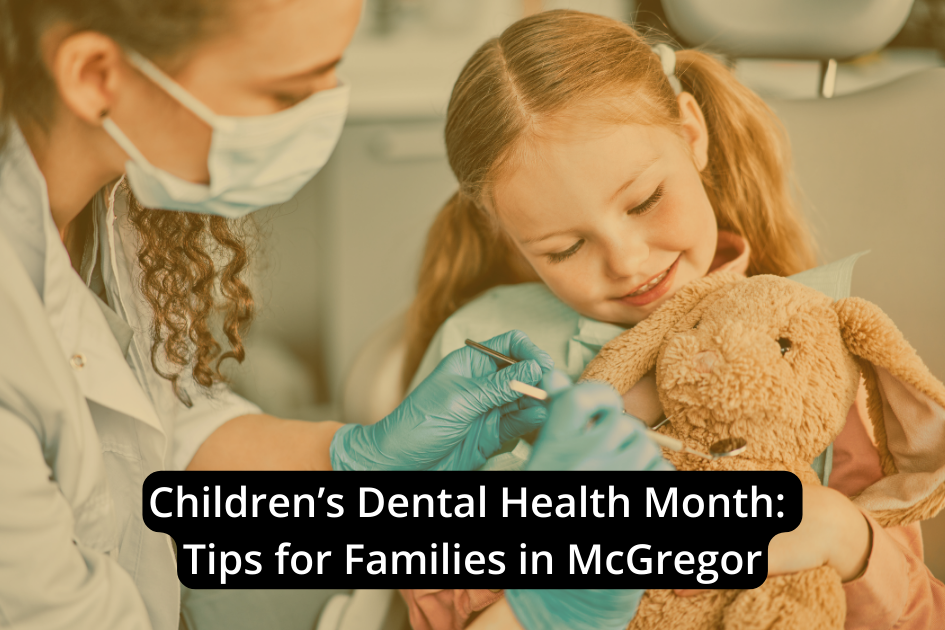
February is Children’s Dental Health Month, so let’s use it to build healthier smiles for our kids right here in McGregor. We can start early with a first dental visit by age one, then make brushing feel routine with a song or a quick timer. We’ll also want to watch sugary snacks and choose tooth-friendly options instead. But what really makes the biggest difference for preventing cavities might surprise us…
Why Children’s Dental Health Deserves Extra Attention
Even though baby teeth don’t last forever, they do big jobs every day, helping kids chew well for good nutrition, form clear speech sounds, and hold the right space so permanent teeth can line up properly later. When we protect baby teeth, we support speech development and reduce nutritional impacts from picky chewing or sore mouths. Cavities in kids are common, but they’re not “normal.” Cavity prevention works with brushing, fluoride, smart snacks, and water. The myth “they’ll lose them anyway” can lead to pain, infection, and crowding. With early monitoring, we can spot weak enamel and stop tiny problems early.
When Should Kids Start Visiting the Dentist?
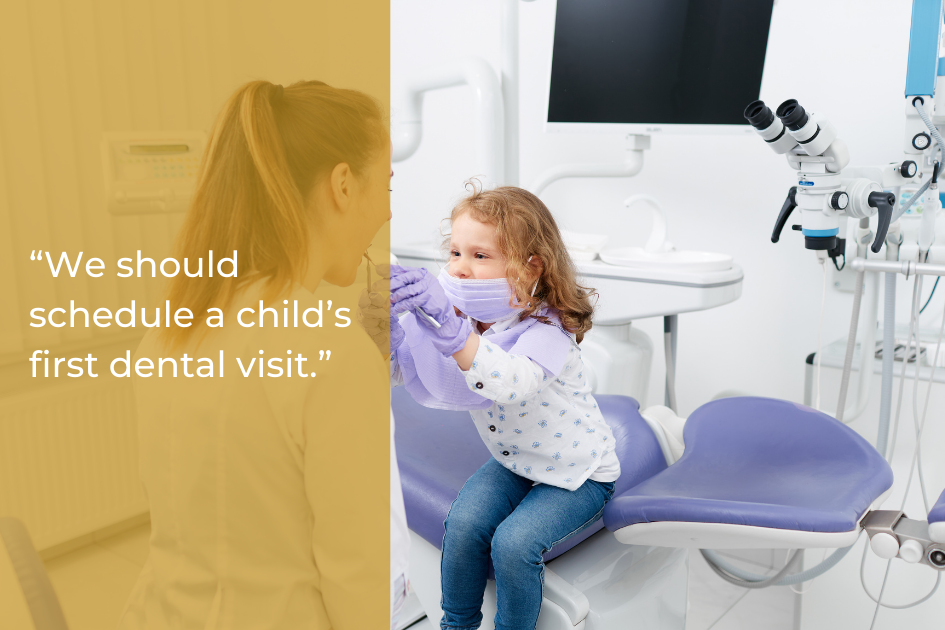
One simple rule helps: we should schedule a child’s first dental visit by their first birthday or within six months of the first tooth popping in. Starting early supports oral hygiene and cavity prevention, and it helps you feel confident, too. Our gentle pediatric care keeps things calm and builds trust before dental anxiety can grow. Picture a quick, friendly stop that fits your child’s attention span:
- A tiny tooth “hello” in the mirror
- A parent-and-kid lap sit
- A fun brush-and-floss pep talk
- A simple plan for home routines
What Happens During a Child’s Dental Visit
After that first-by-age-one visit, most parents want to know what a kids’ appointment actually looks like. We start the dental appointment process with smiles, show-and-tell to ease kids’ dental anxiety, then a gentle exam and cleaning. When appropriate, we add fluoride to strengthen enamel and discuss the role of sealants to protect new molars. We may recommend X-rays based on age, risk, and symptoms, and we’ll explain the importance of X-rays for spotting hidden cavities and tracking roots. We also review the tooth eruption timeline and jaw growth, so you’ll know what’s next.
Building Strong Brushing and Flossing Habits at Home
Because healthy smiles start at home, we’ll help you build brushing and flossing habits that fit your child’s age and attention span. Try these simple steps for brushing techniques, flossing importance, routine consistency, fun incentives, and parental involvement:
- Tiny timer race: set a 2-minute timer or play one song; brush “to the beat.”
- Mirror coach: you brush first, then guide their hand for gentle circles on every tooth.
- Floss superhero cape: help with floss picks until they’ve got the grip and reach.
- Sticker trail: earn stars for morning-and-night wins, then trade for a small prize.
Nutrition Tips for Cavity-Free Smiles
Even if we brush and floss like champs, sugary and acidic foods can still weaken enamel and feed cavity-causing bacteria throughout the day. Let’s watch the sugar impact of juice, gummies, and sticky snacks, and limit acidic foods like soda and sports drinks.
Try snack alternatives: cheese cubes, yogurt, apples, carrots, or nuts (if age-appropriate). Pack lunchbox wins like turkey roll-ups, whole-grain crackers, and a crunchy veggie. For after school, pair fruit with peanut butter. Remember the importance of water, rinsing sugars away between meals. Add calcium sources like milk, fortified alternatives, and leafy greens to keep smiles strong.
Preventing Cavities with Fluoride and Sealants
When we add fluoride and sealants to our kids’ routine dental care, we give their teeth extra armor against cavities. Fluoride benefits include helping enamel rebuild after “sugar attacks,” boosting enamel protection, and lowering cavity prevention risks when we keep up good oral hygiene. Sealants are thin, tooth-colored coatings painted into deep chewing grooves, where brushes miss; sealant application blocks germs and sticky snacks. Kids often get them when the first permanent molars arrive around 6, and again near 12. Imagine this:
- A shield on a tooth
- Raincoat on grooves
- Spackle fixing tiny pits
- A smooth slide for crumbs
Helping Kids Feel Comfortable and Confident at the Dentist
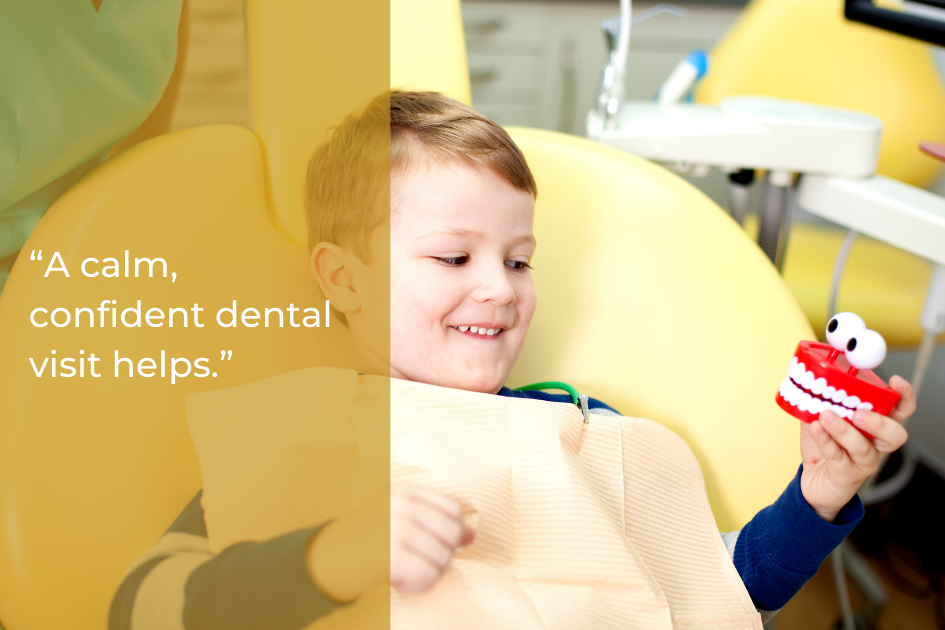
Fluoride and sealants protect kids’ teeth, and a calm, confident dental visit helps those protections last by making checkups feel routine instead of scary. We’ll use simple dental anxiety strategies at home: read a fun tooth book, tour the office website, and keep words positive (“cleaning”, not “hurt”). Try role-playing scenarios where your child opens wide for a flashlight, then celebrate with positive reinforcement techniques like stickers or a high-five. Use effective communication methods: let them ask questions, and we’ll explain each step. At Main Street Dental, our family-friendly environment makes family dental outings feel easy.
Supporting Teens Through Changing Dental Needs
As kids shift into the preteen and teen years, we often see new dental challenges show up fast, braces or aligners may enter the picture, sports can raise the need for a mouthguard, and frequent snacking or sugary drinks can increase cavity risk, so we’ll help you stay a step ahead with simple, preventive routines at home and the right support at checkups.
- Track orthodontic adjustments with a calendar and a travel toothbrush.
- Pack teen mouthguards beside cleats, helmets, and water bottles.
- Swap chips/soda for sugary snack alternatives like cheese, nuts, or crunchy apples.
- Practice dental anxiety management scripts, since peer influence can shape choices.
Common Pediatric Dental Problems and When to Act
Even with great brushing habits, a few common kid dental problems can sneak up on families, so we watch for early cavity clues (white or brown spots, lingering bad breath, or complaints about sweet sensitivity), habits like thumb-sucking or nighttime grinding that can shift teeth or wear enamel, bumps and falls that chip or loosen a tooth, and soreness like gum irritation or cold sensitivity. If we spot changes, we don’t wait: we tighten cavity prevention strategies, talk through thumb sucking consequences, and start smart tooth injury management (save a chipped piece, call us). We’ll share sensitivity solutions and explain gum irritation causes.
Conclusion
As we wrap up Children’s Dental Health Month in McGregor, let’s keep our kids’ smiles on track all year. Here’s a number worth remembering: tooth decay affects about 1 in 5 kids ages 5–11. That means prevention really matters. If we start dental visits by age one, brush and floss together, choose tooth-friendly snacks, and ask about fluoride and sealants, we’ll help our children feel brave, healthy, and proud of their grins. Ready to take the next step? Schedule your child’s dental checkup today with Main Street Dental in McGregor and talk with our team about a personalized prevention plan.
