 Skip to content
Last month, we met a runner who lost a molar and wondered whether a bridge or an implant would suit her goals. Both restore function and appearance, but they differ in how they’re supported, how long they last, and how they affect nearby teeth and bone. We’ll compare candidacy, procedure timelines, comfort, and costs with clear, evidence-based guidance, so you can choose confidently with your dentist. The differences become essential when replacing one tooth versus several.
What Each Option Is: Bridge vs. Implant
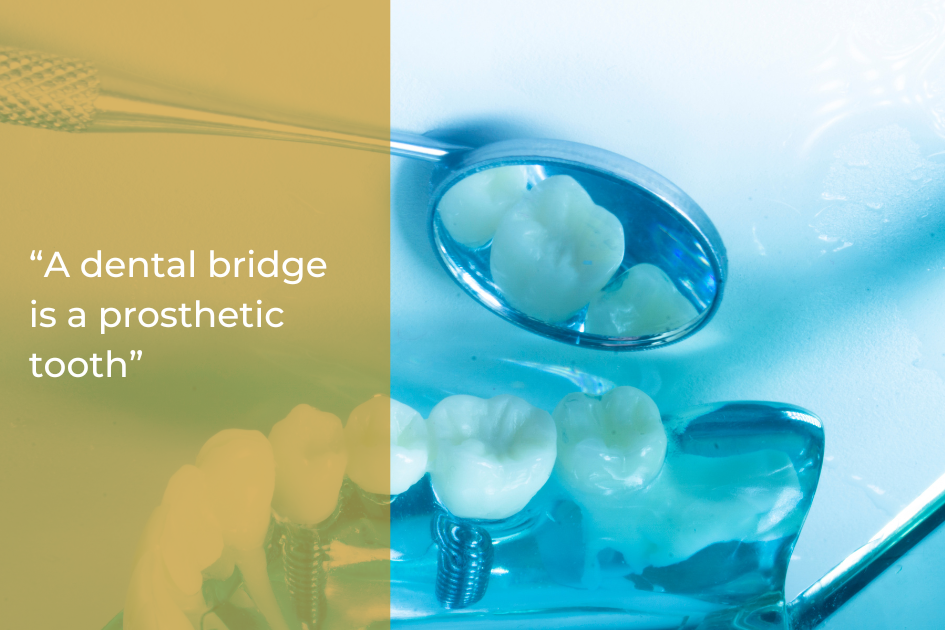
While both replace missing teeth, bridges and implants work differently. A dental bridge is a prosthetic tooth (or teeth) anchored by crowns bonded to neighboring teeth, or by alternative attachments in select designs. It restores the visible tooth and chewing function across a gap. A dental implant is a titanium post placed in the jaw to support a single crown or a multi-tooth restoration. It replaces the root and provides independent support.
We’ll help you decide using your medical history, gum health, remaining tooth structure, bone volume, and hygiene habits. Our goal is predictable function, natural esthetics, and long-term oral health tailored to your needs.
How They Work: Support, Materials, and Design
Now that we’ve compared what bridges and implants are, let’s look at how each is built to function day to day. Bridges rely on support from neighboring teeth. We prepare those abutments for crowns or bonded wings (Maryland), then join them to a pontic that spans the gap. Materials include porcelain-fused-to-metal, full ceramic, or zirconia for strength and esthetics.
Implants work differently: a titanium or zirconia post integrates with bone, creating a root-like anchor. We attach an abutment and a single crown or multi-unit bridge. Implant forces transmit to bone, preserving volume; bridge forces load abutment teeth. Design choices balance durability, hygiene access, and appearance.
Candidacy: Who Is a Good Fit for Each
Because every mouth and medical history is different, we assess candidacy for bridges and implants by looking at tooth support, bone volume, and overall health. You’re usually a good candidate for a bridge if the adjacent teeth are strong, decay-free, and have healthy gums. Bridges can suit patients who prefer a non-surgical option or take medications that complicate surgery. Implants fit best when there’s sufficient jawbone, good gum health, and well-controlled systemic conditions like diabetes. We screen for tobacco use, bruxism, and untreated periodontal disease, which raise failure risks. We also consider hygiene habits, caries risk, budget, and long‑term maintenance preferences.
Procedure Timeline and Recovery
From your first consult to your final follow-up, we map a clear timeline and set expectations for comfort and healing. Bridges are often completed in 1–2 visits over 1–3 weeks, while implants typically span several months to allow predictable osseointegration. We tailor anesthesia, temporaries, and post-op care to minimize downtime and safeguard tissues. Most patients return to routine the next day after a bridge and within 24–72 hours after implant placement.
- Pre-op planning: exam, imaging, medical review
- Bridge prep or implant surgery scheduling
- Provisional restoration and bite checks
- Tissue healing milestones and hygiene coaching
- Final restoration, verification, and maintenance plan
Impact on Adjacent Teeth and Bone Health
With the timeline and healing plan in place, we also weigh how each option affects neighboring teeth and the jawbone. A traditional bridge requires reshaping adjacent teeth to support crowns, which permanently removes enamel and may increase risks of sensitivity, decay, or future root canal need. Bridges don’t transmit chewing forces to bone in the edentulous site, so the jawbone there can resorb over time.
Implants stand independently. They don’t involve drilling healthy neighbors, and their titanium posts load the bone, helping preserve volume and architecture. We still assess bone quality, gum health, bite forces, and hygiene, since peri-implant tissues need meticulous care to remain stable.
Durability, Maintenance, and Longevity
Although both options can last for years, they differ in how they hold up and what they require day to day. Implants integrate with bone and often outlast bridges when maintained well. Bridges depend on the health of supporting teeth and may need earlier replacement.
- Implants: 10–20+ years; bridge: typically 7–12 years.
- Peri-implant health matters: we monitor gum depth, mobility, and bite forces.
- Bridges require meticulous hygiene under pontics; floss threaders or water flossers help.
- Habits: avoid ice, pens, and nocturnal grinding; nightguards protect both options.
- Maintenance: semiannual cleanings, radiographs as indicated, and prompt repair of chips or looseness.
Aesthetics and Comfort in Daily Life
Because your smile and comfort matter day to day, we evaluate how each option looks, feels, and functions in real life. Dental implants emerge through the gums like natural teeth, preserving facial contours and offering stable bite forces. Most patients report that they forget the implant’s presence after healing. Bridges can match shade and shape well, but they rest on prepared neighboring teeth and span a gap, which may feel bulkier at first. Some patients notice easier flossing around implants; bridges require floss threaders. Both options support clear speech and confident laughter when well planned. We’ll tailor materials and contours to your goals.
Choosing Between Them: One Tooth, Several Teeth, or Full Arch

With costs and coverage mapped out, the next step is matching the solution to how many teeth you need to replace and where. For a single tooth, an implant preserves neighboring enamel and bone; a traditional bridge works when adjacent teeth already need crowns or an implant isn’t advisable. For several teeth in a row, implant-supported bridges reduce the number of implants while preventing a removable partial denture. For a full arch, implant-supported dentures (fixed or removable) deliver stability, chewing efficiency, and bone preservation; conventional dentures are non-surgical but less retentive. Together, we’ll assess bone volume, bite forces, esthetics, hygiene access, and medical factors.
Why McGregor Patients Choose Main Street Dental
Although tooth replacement options can feel overwhelming, McGregor patients choose Main Street Dental because we pair clinical rigor with personalized care. We explain evidence, risks, benefits, and costs clearly, then tailor bridges or implants to your health, anatomy, and goals. You’ll know what to expect before, during, and after treatment.
- Thorough evaluation: medical history, imaging, occlusion, and periodontal status
- Transparent options: bridge versus implant indications, timelines, and maintenance
- Comfort-focused visits: efficient appointments and gentle anesthesia
- Esthetics and function: restorations matched to bite forces and smile line
- Continuity of care: hygiene, monitoring, and long-term complication prevention
Conclusion
Let’s choose confidently, not blindly. Dental bridges and implants each offer valuable benefits, but the right option depends on your goals, oral health, and long-term outlook. Implants can help preserve jawbone and support a more independent restoration, while bridges can quickly restore function and aesthetics when neighboring teeth are healthy. At Main Street Dental in McGregor, we take time to evaluate your anatomy, review your risks, and walk through your priorities before recommending a path forward. Every smile has its own story, and we’re here to help you write the next chapter with clarity and confidence.
Ready to explore your options for replacing missing teeth? Schedule your consultation with Main Street Dental in McGregor today.
