
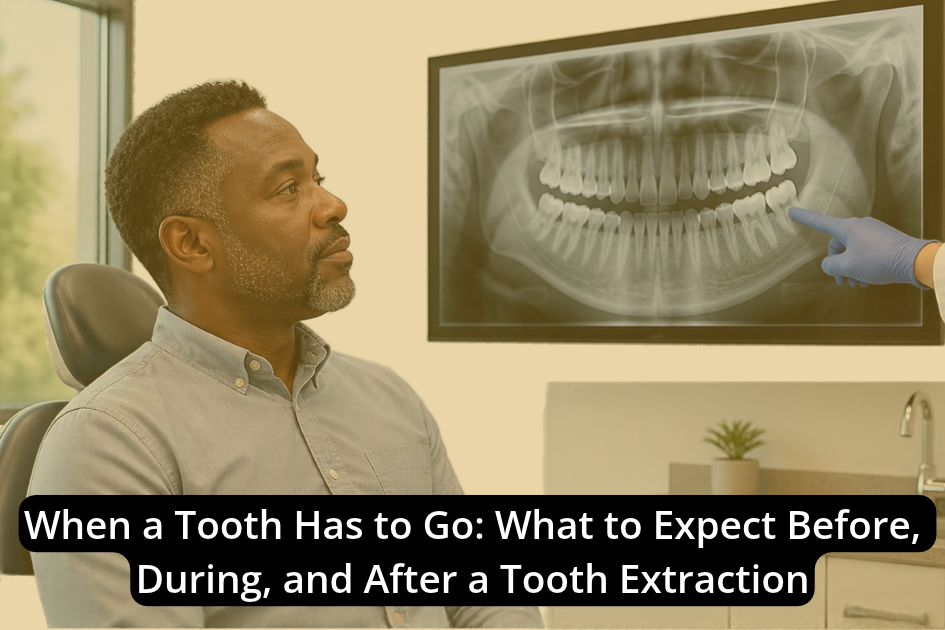
The idea of having a tooth pulled makes a lot of people nervous, and that is completely understandable. But in most cases, a tooth extraction is a straightforward procedure that brings relief rather than discomfort. Knowing what to expect before, during, and after can make the whole experience feel a lot less intimidating. Here is everything you need to know.
Why a Tooth Extraction May Be Necessary
Most dentists will do everything possible to save a natural tooth before recommending an extraction. Your natural teeth support proper chewing, jaw alignment, and facial structure, and replacing them always comes with additional steps and considerations. That said, there are situations where extraction is the most responsible path forward for your overall oral health.
Common Reasons Dentists Recommend Extraction
Some of the most common reasons a tooth extraction may be recommended include severe decay that has progressed beyond what a filling or crown can repair, advanced gum disease that has damaged the supporting structures around the tooth, a cracked or fractured tooth that cannot be restored, impacted wisdom teeth causing pain or crowding, and overcrowding that needs to be addressed before orthodontic treatment. In each of these cases, removing the tooth protects the surrounding teeth and prevents the problem from spreading.
Why Saving the Tooth Is Always the First Goal
Extraction is always a last resort. A natural tooth that can be saved is always worth saving because it functions better than any replacement, preserves bone density in the jaw, and avoids the time and investment involved in tooth replacement procedures. Your dentist will thoroughly evaluate your situation and explore every restorative option before recommending removal.
Types of Tooth Extractions
Not all extractions are the same. The type of procedure you need depends on the condition and position of the tooth being removed.
Simple Extractions
A simple extraction is performed on a tooth that is fully visible above the gumline. Your dentist will numb the area with a local anesthetic, gently loosen the tooth using specialized instruments, and remove it. The procedure is quick and most patients are surprised by how manageable it is. Simple extractions are commonly performed for damaged, decayed, or overcrowded teeth.
Surgical Extractions
A surgical extraction is required when a tooth is impacted, has broken off at the gumline, or cannot be accessed easily. This procedure involves a small incision in the gum tissue to reach the tooth. Sedation options are available to keep you comfortable throughout. Wisdom tooth removals are one of the most common examples of surgical extractions. Your dentist will walk you through exactly what your procedure involves during your consultation.
How to Prepare for Your Tooth Extraction

A little preparation goes a long way toward making your extraction experience smooth and stress-free.
What to Tell Your Dentist Before the Procedure
Before your appointment, be sure to give your dentist a full picture of your health. Let them know about any medications you are currently taking, including over-the-counter drugs and supplements, any allergies you have particularly to anesthesia or antibiotics, and any underlying health conditions such as diabetes, heart disease, or a bleeding disorder. This information helps your dental team plan your procedure safely and tailor their approach to your specific needs.
What to Do the Day Before and Day Of
If sedation is part of your procedure, arrange for someone to drive you home beforehand. Avoid eating or drinking for at least six hours before your appointment if sedation will be used, and follow any specific instructions your dentist provides. On the day of your extraction, wear comfortable clothing, arrive a few minutes early, and bring any prescribed medications with you. Do not hesitate to voice any concerns when you arrive. The team at Main Street Dental is there to make sure you feel informed and at ease.
What Happens During a Tooth Extraction at Main Street Dental
Numbing and Keeping You Comfortable
Your comfort is the first priority. Before any part of the extraction begins, the area around the tooth will be numbed with a local anesthetic so you do not feel pain during the procedure. If you have dental anxiety or are undergoing a more complex extraction, sedation options are available and can be discussed during your consultation. The team will check in with you throughout the procedure to make sure you are comfortable.
The Extraction Process Step by Step
Once the area is fully numb, your dentist will carefully loosen the tooth and remove it using specialized instruments. For surgical extractions, a small incision may be made in the gum tissue first. The entire process is typically faster than most patients expect. Once the tooth is out, gauze will be placed over the site to control bleeding and begin the clotting process. You will leave with clear aftercare instructions to support a smooth recovery.
What to Expect After Your Tooth Extraction
The First 24 Hours
The first 24 hours after your extraction are the most important for healing. Rest as much as possible and avoid any strenuous physical activity. Keep the gauze in place for the time recommended by your dentist to encourage clot formation. Avoid using straws, spitting forcefully, or rinsing vigorously, as any of these can dislodge the blood clot and slow healing. Stick to soft foods like yogurt, mashed potatoes, smoothies, and broth during this time.
Managing Discomfort and Swelling
Some swelling and tenderness after an extraction is completely normal. Applying an ice pack to your cheek in 20-minute intervals during the first day can help keep swelling down. Over-the-counter pain relievers can manage discomfort, but always follow your dentist’s recommendations on which ones to take. Most patients find that any significant discomfort begins to ease within two to three days.
Foods to Eat and Foods to Avoid
For the first few days after your extraction, soft and mild foods are your best friends. Good options include mashed potatoes, scrambled eggs, smoothies, yogurt, oatmeal, and warm broth. Avoid hard, crunchy, sticky, or spicy foods that could irritate the extraction site or disrupt the clot. As you heal, you can gradually reintroduce your normal diet based on your comfort level.
How to Care for the Extraction Site While It Heals
Keeping the Area Clean
After the first 24 hours, you can begin gently rinsing your mouth with warm salt water after meals to keep the extraction site clean. When brushing your teeth, be careful to avoid the extraction site for the first few days. Good oral hygiene during the healing process helps prevent infection and promotes faster recovery.
Signs That Something May Not Be Healing Correctly
Most extractions heal without any complications, but it is important to know what to watch for. Contact your dentist if you experience severe or worsening pain after the first two to three days, prolonged bleeding that does not ease up, a fever, significant swelling that gets worse instead of better, or an unpleasant taste or odor coming from the extraction site. These can be signs of dry socket or infection, both of which are very treatable when caught early.
Your Tooth Replacement Options After an Extraction

Replacing a missing tooth is an important step in maintaining your oral health. When a tooth is removed, the surrounding teeth can shift over time and the jawbone in that area can begin to lose density. Discussing your replacement options with your dentist as soon as possible helps you plan ahead and protect your smile.
Dental Implants
Dental implants are widely considered the gold standard for tooth replacement. A titanium post is surgically placed into the jawbone and topped with a custom-made crown that looks and functions just like a natural tooth. Implants stimulate the jawbone, preventing bone loss, and with proper care they can last a lifetime. They are a great long-term investment for patients who are good candidates.
Dental Bridges
A dental bridge fills the gap left by a missing tooth by anchoring an artificial tooth to the healthy teeth on either side. Bridges restore the appearance and function of your smile without the need for surgery. They are a reliable and well-established tooth replacement option that can be completed in just a few dental visits.
Dentures
For patients missing multiple teeth or a full arch, dentures offer a removable solution that restores both function and appearance. Modern dentures are more comfortable and natural-looking than ever before. Your dentist can help you determine whether partial or full dentures are the right fit for your situation.
Gentle, Compassionate Tooth Extractions at Main Street Dental in McGregor, TX
At Main Street Dental in McGregor, TX, we understand that the thought of a tooth extraction can feel overwhelming. Dr. Shultz and Dr. Raimondo take a gentle, patient-centered approach to every procedure, making sure you feel informed, comfortable, and well cared for from your first appointment through your full recovery. If you have been putting off a dental concern because you are worried about what the process involves, we encourage you to reach out to our team. We are here to make the experience as smooth and comfortable as possible so you can get back to feeling your best.
