
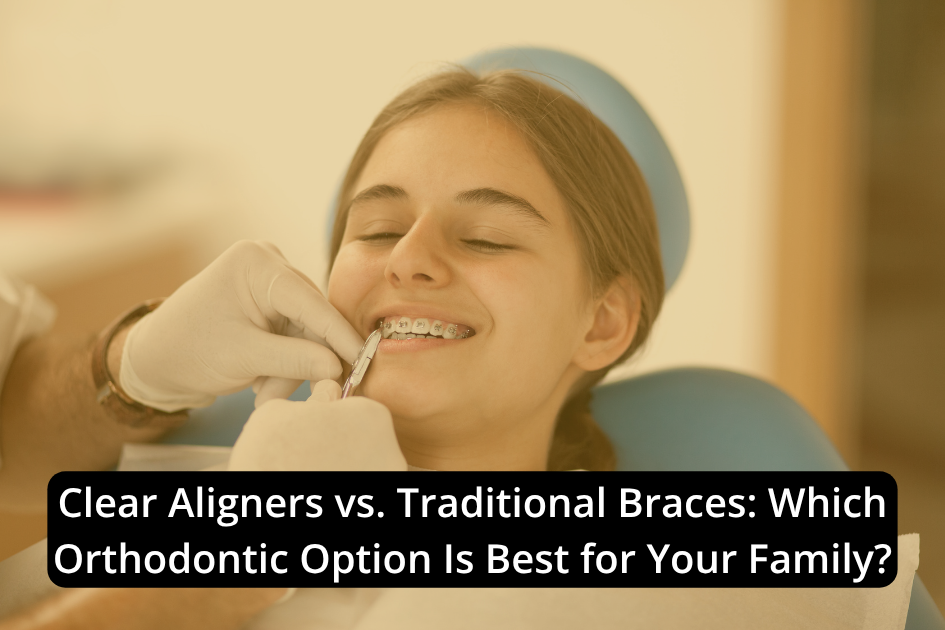
Did you know that nearly 4 million people in the U.S. are currently undergoing orthodontic treatment, with a significant rise in the popularity of clear aligners? As we explore the differences between clear aligners and traditional braces, we’ll consider their effectiveness, comfort, and how they fit into various lifestyles. Understanding these factors can help us determine the most suitable option for our unique orthodontic needs. What might be the best choice for us?
What Are Clear Aligners?
Clear aligners are a modern orthodontic solution designed to gradually shift teeth into their desired positions. They offer numerous benefits, such as improved aesthetics and convenience, while also presenting some potential limitations. In this section, we’ll explore the treatment process, advantages, and considerations associated with clear aligners.
Understanding Clear Aligner Treatment
When considering orthodontic options, many patients find that clear aligners offer a modern solution for teeth straightening. Clear aligners are custom-made, removable trays designed to gradually shift teeth into their desired positions. The clear aligner treatment process begins with a thorough assessment, allowing us to create a personalized orthodontic treatment plan tailored to each individual’s needs. We utilize advanced technology to map out the exact movements required, ensuring precision and comfort throughout the process. As we monitor progress, adjustments can be made to aligners, enhancing effectiveness. With fewer in-office visits and minimal attachments, clear aligners provide a discreet and convenient alternative, making them an attractive choice for many seeking effective orthodontic care.
Benefits of Clear Aligners
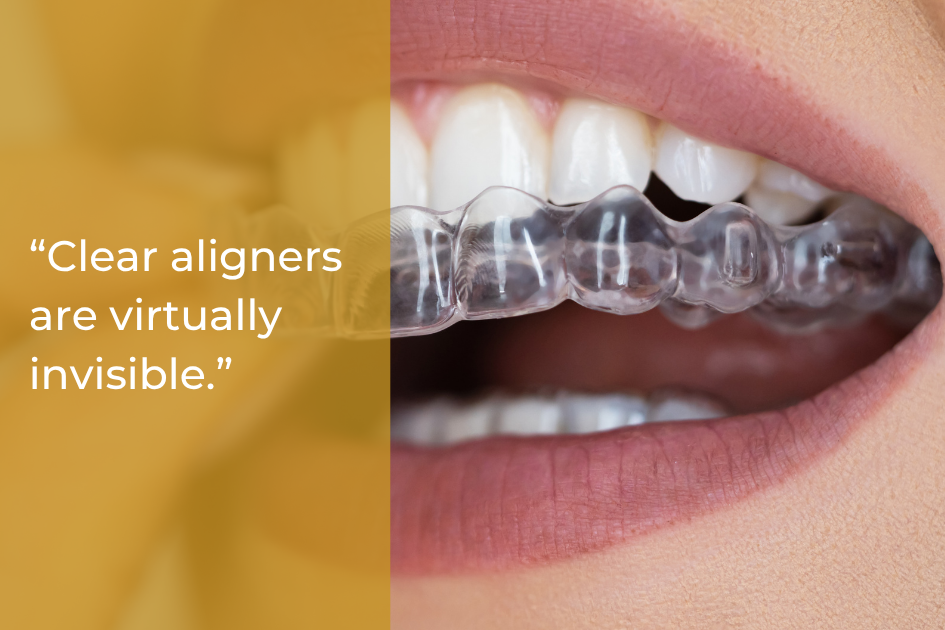
In orthodontics, clear aligners present a modern, effective solution for achieving straighter teeth. They offer several advantages over traditional braces, making them an appealing choice for adults seeking orthodontic treatment options. One significant benefit is their discreet appearance; clear aligners are virtually invisible, allowing us to enhance our smiles without drawing attention. Additionally, they provide comfort with fewer attachments and no tightening, reducing discomfort associated with traditional braces. Customized treatment plans guarantee that each aligner is tailored to our unique dental needs, which can lead to faster results, often within three to six months. With the convenience of removable trays, we can maintain oral hygiene effortlessly, making clear aligners a practical choice for adults pursuing a confident smile.
Potential Limitations
While clear aligners offer a modern approach to orthodontics, they do come with certain limitations that we should consider. For instance, clear aligners may not be as effective for severe cases, such as significant overcrowding or complex bite issues, which traditional braces handle better. When comparing clear aligners vs. braces for teenagers and adults, we find that aligners require strict adherence to wearing them for 20-22 hours daily to achieve ideal results. Additionally, orthodontic treatment options for children might be limited by the need for more frequent adjustments that aligners can’t accommodate. Ultimately, while clear aligners can effectively treat many cases, we must evaluate whether they’re suitable for specific conditions, such as crowded teeth.
What Are Traditional Braces?
Traditional braces consist of metal brackets and wires that work together to align teeth effectively. They offer reliable solutions for various orthodontic issues, from minor adjustments to more complex corrections. While they come with several benefits, we also need to evaluate their potential limitations in the context of our orthodontic options.
Understanding Traditional Braces
Braces are a time-tested solution for correcting various orthodontic issues. Traditional braces, often made of metal, consist of brackets attached to the teeth and connected by wires. This system applies consistent pressure, gradually shifting teeth into their desired positions. They’re especially effective for correcting crooked teeth, bite misalignments, and other complex dental challenges. For teens, metal braces offer a reliable orthodontic option with a proven track record. While they may be more noticeable than clear aligners, traditional braces are versatile and suitable for all ages. Ultimately, understanding these orthodontic options helps us make informed decisions about achieving that perfect smile. If you’re considering braces, let’s explore how traditional braces could fit your needs.
Benefits of Traditional Braces
Understanding the benefits of braces can help us appreciate their role in achieving a healthy smile. Traditional braces offer several advantages, making them an effective orthodontic treatment for both children and adults. They provide precise control over tooth movement, making them particularly effective for complex bite correction treatment. With their proven track record, traditional braces can address a wide range of dental issues, from crowded teeth to misaligned bites. Additionally, braces are durable and require minimal compliance, as they stay fixed in place. For families considering braces for children, they often become a rite of passage, fostering a sense of belonging. Overall, the benefits of traditional braces contribute greatly to long-term oral health and confidence in one’s smile.
Potential Limitations
While many appreciate the effectiveness of braces, we should also consider their potential limitations. Traditional braces can be less comfortable, irritating the gums and cheeks. Their visibility may be a concern for some, particularly teens who might prefer clear aligners for a more discreet option. Additionally, braces require regular orthodontic consultations for adjustments, which can be time-consuming. They can also limit dietary choices, as certain foods may damage the brackets. When debating which is better, clear aligners or braces, it’s essential to discuss these factors with your orthodontist. For those seeking traditional braces near McGregor, TX, understanding these limitations helps us make informed decisions about our teeth straightening treatment options.
Orthodontic Issues Both Treatments Can Correct
When exploring orthodontic options, we often find that both clear aligners and traditional braces can effectively address a variety of dental issues. Common conditions like misaligned teeth, overcrowding, and bite discrepancies are manageable with either treatment. However, certain cases may benefit more from traditional braces, particularly those requiring significant adjustments or complex corrections.
Common Conditions Treated
Orthodontic treatment addresses a variety of conditions that can impact both functionality and aesthetics of our smiles. Both clear aligners and traditional braces offer effective orthodontic solutions for issues like overcrowded teeth, gaps, and misalignment. For instance, crowded teeth treatment can be efficiently handled by either method, as they gradually shift teeth into their desired positions. Additionally, both options correct bite problems, such as overbites and underbites, contributing to overall smile improvement. The choice between clear aligners and traditional braces often depends on personal preferences and specific dental needs. Ultimately, consulting with a professional can help us determine which treatment aligns best with our goals for a healthier, more confident smile.
Cases That May Benefit More from Traditional Braces
Certain orthodontic issues may be better served by traditional braces, particularly in cases involving significant misalignment or complex bite problems. For families seeking the best orthodontic treatment, traditional braces excel in addressing severe overbites and underbites, ensuring effective correction over time. They offer a more thorough approach for complex cases, often providing faster results than aligners. Additionally, family orthodontics can benefit from the durability and reliability of traditional braces, making them a solid choice for children and teens. When deciding how to choose between braces and aligners, consider the severity of the orthodontic issue, as traditional braces may provide the most effective solution for achieving ideal results.
Comparing Clear Aligners and Traditional Braces
When we compare clear aligners and traditional braces, several key factors come into play, including appearance, comfort, and convenience. We’ll also explore how each option affects oral hygiene and the overall treatment time. Understanding these differences can help us make an informed choice for achieving a healthier smile.
Appearance
Many people consider the visual impact of their orthodontic treatment when choosing between clear aligners and traditional braces. For those seeking discretion, invisible aligners offer a nearly invisible alternative, allowing us to maintain our confidence with a straighter smile without the noticeable metal brackets. In contrast, traditional braces can be more conspicuous, which some may find unappealing. While both options effectively align teeth, the choice often hinges on personal preference and lifestyle. Are clear aligners better than traditional braces? If aesthetics are a priority, clear aligners typically win out. In McGregor, TX, we can explore these cosmetic orthodontic options tailored to our needs, ensuring we find the best fit for our unique situations.
Comfort
While both clear aligners and traditional braces aim to correct dental misalignments, their comfort levels can vary considerably. Clear aligners, such as those offered in McGregor, TX, are removable, allowing us to eat and maintain oral hygiene without restrictions. Their smooth plastic material often causes less irritation to the gums and cheeks compared to traditional braces, which can have wires and brackets that may dig into our mouths. However, some may find that traditional braces provide a sense of stability during orthodontic care. Ultimately, our comfort preferences will guide our choice. By discussing these factors with our orthodontist, we can find the best option for achieving a straight smile while ensuring minimal discomfort.
Convenience
Convenience plays an essential role in our choice between clear aligners and traditional braces. Clear aligners, available from providers like those offering clear aligners, allow us to remove them while eating or brushing, making daily routines simpler. In contrast, traditional braces work continuously but can limit our diet and complicate oral hygiene. With orthodontic treatment, clear aligners generally require fewer office visits, enhancing our flexibility. Plus, the discreet nature of aligners makes them appealing for those conscious about appearance during teeth straightening. Ultimately, whether we choose clear aligners or traditional braces, consulting a family dentist guarantees we find the most convenient option for our unique needs.
Oral Hygiene
When it comes to oral hygiene, choosing between clear aligners and traditional braces greatly impacts our dental care routine. Clear aligners offer a significant advantage; they’re removable, allowing us to brush and floss easily, promoting better overall dental health. On the other hand, traditional braces can complicate our hygiene efforts, as the brackets and wires trap food particles, making thorough cleaning more challenging. Maintaining a healthy bite and achieving ideal dental alignment is essential, and our hygiene practices directly influence treatment outcomes. For personalized advice, we recommend scheduling an orthodontic consultation. Understanding the nuances of these options guarantees we make informed decisions about our oral health and future smiles.
Treatment Time
Understanding treatment time is essential as we compare clear aligners and traditional braces. Clear aligners can often straighten teeth without braces in as little as three to six months, thanks to modern orthodontic technology. In contrast, traditional braces typically require 18 to 24 months to achieve similar results, depending on individual needs. While we see how traditional braces work through consistent adjustments, clear aligners offer a more discreet and flexible approach. However, both options prioritize long-term oral health and effective gap teeth treatment. Ultimately, choosing between them hinges on personal preferences and lifestyle, but knowing the treatment timelines can guide our decision in achieving a healthier, straighter smile.
Follow-Up Visits
While both clear aligners and traditional braces aim to achieve ideal teeth alignment, their follow-up visit requirements differ significantly. With clear aligners, we typically enjoy fewer in-office visits due to AI-powered remote monitoring, allowing us to track progress conveniently. This system often means less time in the dental chair. In contrast, traditional braces require regular adjustments, making more frequent visits essential, especially when determining when braces are better than clear aligners. At Main Street Dental Care in McGregor, TX, we focus on personalized treatment, ensuring that each patient’s specific needs are met. Understanding these differences helps us choose the best option for achieving a healthy, confident smile.
Which Orthodontic Option Is Best for Children?
When considering orthodontic options for children, we need to evaluate several essential factors. While clear aligners offer convenience and aesthetics, traditional braces may be more effective for complex alignment issues. Let’s explore when braces might be the better choice for your child’s unique dental needs.
Factors Parents Should Consider
Choosing the right orthodontic option for our children can feel overwhelming, but several key factors can help us make an informed decision. First, we need to contemplate the severity of our child’s dental issues. Clear aligners are often suitable for mild to moderate misalignment, while traditional braces may be necessary for more complex cases. Next, we should evaluate our child’s responsibility; aligners require diligence in wearing them consistently. Additionally, we must think about their comfort and aesthetic preferences. Clear aligners offer a discreet option, while braces are more visible but can be more effective for certain situations. Finally, we should assess treatment duration and frequency of dental visits, as these can vary considerably between options.
When Braces May Be the Better Choice
Determining the best orthodontic option for our children involves several considerations, particularly when it comes to braces. In cases of severe misalignment, complex bite issues, or significant gaps, traditional braces often prove more effective than clear aligners. They provide consistent pressure on teeth, allowing for precise adjustments over time. In addition, braces are a reliable choice for younger children who may struggle with the responsibility of removable aligners. Their fixed nature eliminates concerns about compliance and guarantees continuous treatment. Moreover, the variety of braces available, metal, ceramic, or lingual, caters to different aesthetic preferences and needs. Understanding these aspects helps us make informed decisions about our children’s orthodontic care, guaranteeing they achieve ideal results.
Which Orthodontic Option Is Best for Teens and Adults?
When considering orthodontic options for teens and adults, we often find that clear aligners are increasingly popular due to their convenience and discreet appearance. However, there are situations where traditional braces may still be the preferred choice for certain dental issues. Let’s explore the reasons behind these preferences and the specific circumstances that might dictate one option over the other.
Why Many Teens Choose Clear Aligners
As many teens seek a balance between effective orthodontic treatment and their desire for aesthetic appeal, clear aligners have become a popular choice. These aligners offer a discreet alternative to traditional braces, allowing us to straighten our teeth without the noticeable metal wires. The removable design lets us enjoy our favorite foods and maintain better oral hygiene, which is essential during these formative years. Furthermore, with advancements like AI-powered remote monitoring and fewer in-office visits, our treatment can be more convenient and personalized. At Main Street Dental, we benefit from a tailored approach that considers our unique dental needs, making clear aligners an attractive option for teens looking for effective, less intrusive orthodontic solutions.
Why Adults Often Prefer Clear Aligners
While we often think of braces as a solution primarily for teens, many adults are increasingly opting for clear aligners due to their discreet appearance and convenience. Clear aligners allow us to maintain our professional and social lives without the visibility of traditional braces. The removable design not only makes maintaining oral hygiene easier but also lets us enjoy our favorite foods without restrictions. Additionally, with advancements like AI-powered remote monitoring, we can track our progress from home, minimizing in-office visits. At Main Street Dental, our personalized treatment plans guarantee that each adult’s unique dental needs are met, making clear aligners a suitable and effective choice for achieving a confident smile.
Situations Where Braces May Still Be Recommended
Although clear aligners offer numerous advantages, there are specific situations where traditional braces may still be the best choice for both teens and adults. For complex orthodontic issues, such as severe overbites, underbites, or significant crowding, braces provide the necessary force and control to effectively reposition teeth. Additionally, braces can be more suitable for patients who may struggle with compliance, as they’re fixed and don’t require daily management. In cases of extensive tooth movement or jaw alignment needs, traditional braces guarantee precise adjustments throughout treatment. By considering these scenarios, we can better understand why, despite the appeal of clear aligners, traditional braces remain a crucial option in orthodontic care.
Cost Considerations for Families
When evaluating orthodontic options for our families, understanding the financial investment is essential. Clear aligners and traditional braces each come with distinct costs and potential long-term value. By considering these factors, we can make informed decisions that best suit our needs and budgets.
Understanding Treatment Investment
Understanding the financial commitment involved in orthodontic treatment is essential for families considering options like clear aligners or traditional braces. Both treatments come with varying costs influenced by factors such as complexity and duration of treatment. Clear aligners often require fewer in-office visits, which can reduce overall costs, while traditional braces might involve additional expenses for adjustments. We should also consider potential financing options that many dental practices offer, making treatment more accessible. It’s vital to weigh these financial aspects against the long-term benefits of achieving a healthier smile. By understanding these cost considerations, we can make informed decisions that best fit our family’s needs and budget.
Long-Term Value
As we consider the financial commitment of orthodontic treatment options like clear aligners and traditional braces, it’s essential to evaluate their long-term value. Clear aligners often require fewer in-office visits and can lead to quicker results, which might reduce overall costs related to missed appointments or time off work. Meanwhile, traditional braces may involve more frequent adjustments, extending treatment time and expenses.
When examining long-term value, we should also factor in maintenance costs. Clear aligners are removable, promoting better oral hygiene and potentially reducing future dental issues. Ultimately, choosing the right option involves balancing initial costs with the potential for long-term savings in dental health and satisfaction. Together, we can make an informed decision that best fits our family’s needs.
How to Choose the Right Orthodontic Treatment for Your Family
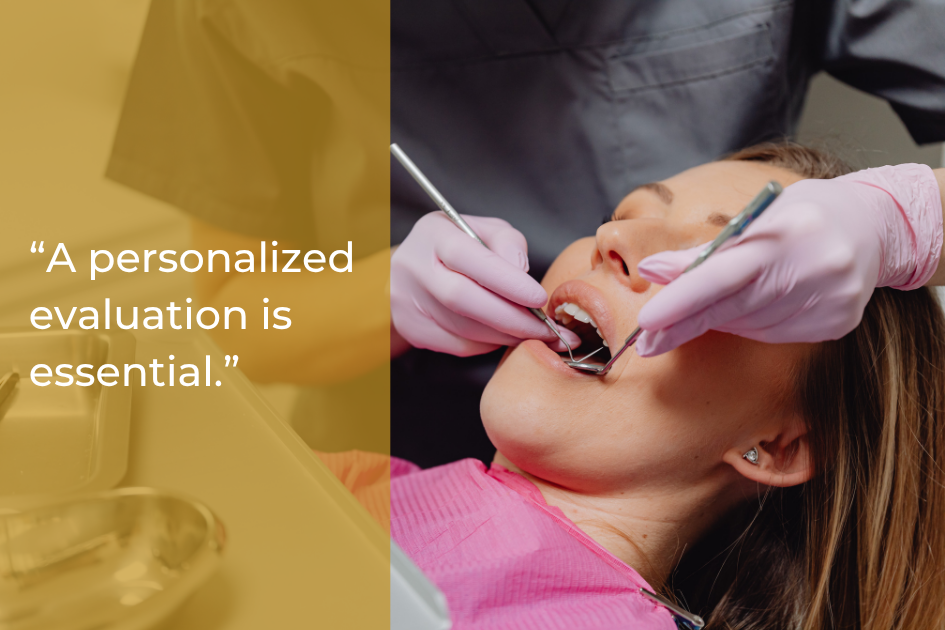
When choosing the right orthodontic treatment for our family, we should consider key questions to ask during the consultation. A personalized evaluation is essential, as it helps us understand which option, be it clear aligners or traditional braces, best suits our unique needs. By focusing on these factors, we can make an informed decision that aligns with our goals for dental health.
Questions to Ask During an Orthodontic Consultation
How can we guarantee we choose the right orthodontic treatment for our family? During an orthodontic consultation, it’s vital to ask specific questions to make certain we make informed decisions. We should inquire about the types of treatments available, such as clear aligners versus traditional braces, and their respective benefits. Understanding the estimated treatment duration and the frequency of office visits is essential for planning. We can also ask about the costs involved and available financing options. It’s important to discuss potential challenges or discomfort associated with each option. Finally, we should inquire about the orthodontist’s experience and approach to personalized care. These questions will help us feel confident in our treatment choice for our family.
Why a Personalized Evaluation Matters
Choosing the right orthodontic treatment for our family hinges on a personalized evaluation. Every individual’s dental structure is unique, which is why a tailored assessment is essential. During this evaluation, Dr. Shultz and Dr. Raimondo at Main Street Dental consider factors like bite alignment, jaw position, and overall dental health. This personalized approach allows us to explore options, whether it’s clear aligners or traditional braces, ensuring we select the most effective treatment. Furthermore, continuous monitoring throughout the process helps us track progress and make necessary adjustments. By prioritizing this personalized evaluation, we can confidently choose the best orthodontic solution for our family, ensuring healthy, beautiful smiles that last a lifetime.
Finding the Best Path to a Healthy, Confident Smile
Choosing between clear aligners and traditional braces comes down to your family’s unique needs, lifestyle, and orthodontic goals. Both treatment options can effectively straighten teeth, improve bite alignment, and support long-term oral health. While clear aligners offer flexibility and a discreet appearance, traditional braces remain a trusted solution for many complex orthodontic concerns. The best way to determine the right option is through a personalized evaluation with a dental professional. At Main Street Dental Care in McGregor, TX, our team is here to help you explore your options and create a treatment plan tailored to your smile. Contact us today to schedule a consultation and take the first step toward a healthier, straighter, and more confident smile.
