
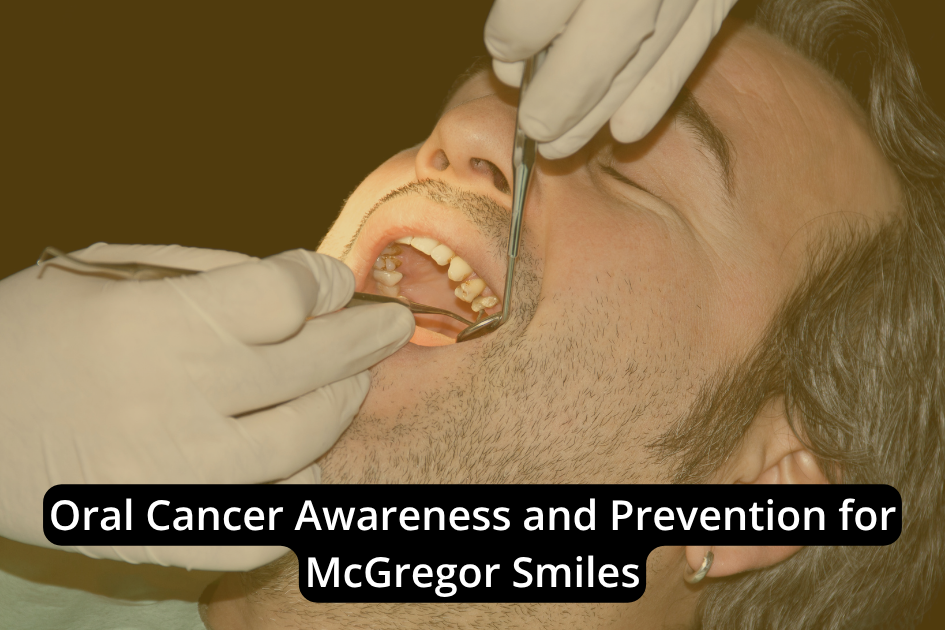
Isn’t it surprising how many people overlook the importance of oral cancer awareness? At McGregor Smiles, we recognize that understanding this issue is crucial for our community’s health. By identifying the signs and symptoms early, we can make a significant impact on prevention. Let’s explore the risk factors that contribute to oral cancer and discuss how regular screenings can empower us in safeguarding our well-being.
What Is Oral Cancer and Why Awareness Matters
Oral cancer refers to malignancies that can develop in the mouth, throat, or surrounding areas, and understanding its nature is vital for effective prevention. Early detection markedly increases treatment success, making awareness critical for recognizing symptoms. By staying informed, we can take proactive steps toward safeguarding our oral health and encouraging timely medical intervention.
Understanding Oral Cancer
While many may not realize it, oral cancer poses a vital health risk that affects thousands each year. Poor oral hygiene, coupled with tobacco use, greatly increases the likelihood of developing this disease. We must also consider the nutritional impact, as a balanced diet can aid in prevention. Genetic factors can further predispose individuals to oral cancer, making awareness essential. By fostering community awareness, we can educate ourselves and others about risk factors and preventive measures. Together, we can promote healthier habits and encourage regular screenings, ultimately reducing the incidence of oral cancer in our community.
Why Early Detection Is Critical
Understanding the significance of early detection in oral cancer can greatly influence outcomes for those affected. By prioritizing early detection, we can enhance patient survival rates through effective interventions. Here are key reasons why early detection matters:
- Risk Assessment: Identifying risk factors helps tailor prevention strategies.
- Screening Methods: Regular screenings detect abnormalities before they progress.
- Patient Education: Informed patients can recognize symptoms early.
- Community Outreach: Engaging the community raises awareness and promotes screenings.
Together, we can foster a proactive approach to oral cancer, ensuring better health outcomes for everyone.
Common Signs and Symptoms to Watch For
When it comes to oral cancer, recognizing early warning signs is essential for effective intervention. We should all be aware of symptoms that may seem minor but could indicate a serious issue, such as persistent sores or unexplained pain. By staying informed, we can take proactive steps toward our oral health and well-being.
Early Warning Signs
Recognizing the early warning signs of oral cancer is essential for timely intervention and better outcomes. By focusing on early symptoms, we can enhance our oral hygiene and overall health. Here are four signs we should be vigilant about:
- Persistent sores or ulcers in the mouth that don’t heal.
- Unexplained swelling or lumps in the oral cavity.
- Difficulty swallowing or chewing.
- Changes in voice or speech.
Regular risk assessments and patient education play a vital role in implementing preventive measures. Staying informed empowers us to take action and prioritize our oral health effectively.
Symptoms That Should Not Be Ignored
What signs should we be vigilant about when it comes to our oral health? We must prioritize symptom awareness, as early diagnosis can greatly improve outcomes. Look for persistent mouth sores, unexplained lumps, or difficulty swallowing. Changes in voice or a chronic sore throat shouldn’t be ignored either. These symptoms often signal underlying issues that require immediate attention. Engaging in health education and community outreach can help us stay informed. By actively participating in our oral health, we can enhance patient engagement and guarantee a proactive approach to prevention. Remember, recognizing symptoms early can save lives.
Risk Factors That Can Increase Your Chances
As we explore oral cancer risk factors, it’s essential to recognize how our lifestyle and environmental choices can influence our chances. Factors such as tobacco use, alcohol consumption, and sun exposure contribute greatly to risk. Additionally, we should consider other elements, like certain medical conditions and genetic predispositions, that may further increase our vulnerability.
Lifestyle and Environmental Factors
While many factors contribute to oral cancer risk, lifestyle and environmental elements play a significant role in increasing our chances. We should consider the following:
- Lifestyle choices: Smoking and excessive alcohol consumption heighten risk.
- Environmental toxins: Exposure to harmful chemicals in our surroundings can contribute to oral cancer.
- Dietary influences: A diet low in fruits and vegetables can weaken our defenses.
- Oral hygiene: Poor oral hygiene practices allow harmful bacteria to thrive, increasing risk.
Additionally, we must be mindful of UV exposure, which can affect our lips and surrounding tissues. Awareness is key to prevention.
Other Contributing Factors
Understanding the various risk factors that contribute to oral cancer is essential for effective prevention. Genetic predisposition can make some of us more susceptible, while nutritional deficiencies may weaken our immune systems. Tobacco use remains a significant contributor, elevating the risk dramatically. In addition, alcohol consumption, especially when combined with tobacco, can amplify these dangers. Finally, HPV infection is increasingly recognized as a crucial factor in oral cancers, particularly in younger populations. By acknowledging these risks, we can take proactive steps towards our oral health and work together to promote awareness and preventive measures in our community.
How Oral Cancer Screenings Work at Your Dental Visit

During our dental visit, we can expect a thorough oral cancer screening as part of our routine exam. This process allows us to identify any potential issues early, which is essential for effective treatment. Regular screenings not only enhance our overall oral health but also play an important role in cancer prevention.
What to Expect During a Screening
Oral cancer screenings play an essential role in early detection, and we guarantee that this important process is seamlessly integrated into your dental visit. Here’s what to expect during your screening:
- Initial Assessment: We’ll review your medical history and discuss any concerns.
- Visual Examination: Our dentist will thoroughly inspect your mouth for abnormalities.
- Palpation: We’ll gently feel your neck and jaw for any unusual lumps.
- Recommendations: Based on findings, we’ll discuss screening benefits and next steps.
Regular screenings enhance oral hygiene, improve patient experiences, and align with our commitment to community events, ensuring proactive care.
Why Routine Exams Matter
Routine exams play an essential role in maintaining overall oral health, and they include thorough screenings for oral cancer. During our routine checkups, we utilize advanced screening techniques to identify potential issues early. These exams not only enhance oral hygiene but also promote health awareness among patients. We focus on patient education, ensuring you understand the importance of these screenings and how they can prevent serious health concerns. By prioritizing regular visits, we empower ourselves to catch any irregularities swiftly, which can greatly improve treatment outcomes. Together, we can take proactive steps toward a healthier future.
Everyday Habits That Make a Differences
To maintain ideal oral health, we should adopt everyday habits that greatly reduce the risk of oral cancer. Simple practices, like using lip balm with SPF and maintaining proper dental hygiene, can protect our mouths and lips. By making these small adjustments, we enhance our overall well-being and safeguard against potential health issues.
Healthy Prevention Tips for a Healthier Smile
Maintaining a healthy smile is essential, especially since small daily habits can greatly impact our oral health. Here are four key prevention tips we can adopt:
- Healthy snacks like fruits and vegetables can promote oral health while reducing sugar intake.
- Hydration habits guarantee our mouths stay moist, helping to wash away harmful bacteria.
3. Prioritizing oral hygiene through regular brushing and flossing minimizes plaque buildup.
4. Effective stress management techniques can reduce teeth grinding, protecting enamel, and consider tobacco alternatives to improve overall oral health.
Protecting Your Mouth and Lips
While we often focus on our teeth, protecting our mouth and lips is equally essential for overall oral health. Regular lip care, such as using moisturizing balm, helps prevent dryness and cracking. The nutritional impact of a balanced diet rich in vitamins supports healthy tissues, while the importance cannot be overstated; drinking enough water keeps our mouth moist, aiding oral hygiene. Additionally, don’t forget UV protection for our lips; using sunscreen lip products shields against harmful rays. By adopting these everyday habits, we can greatly enhance our oral health and lower the risk of complications, including oral cancer.
The Role of Routine Dental Care in Prevention
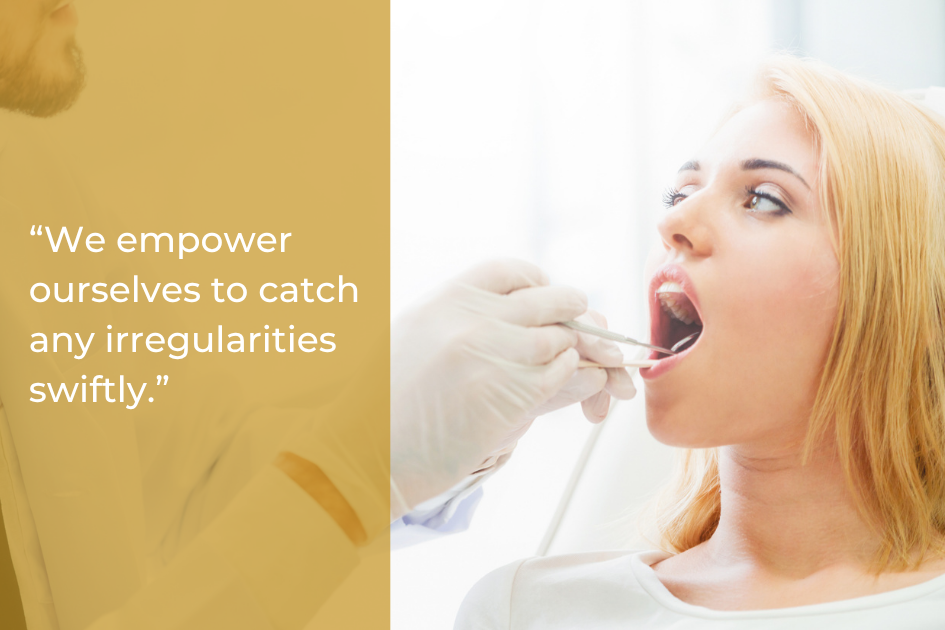
Routine dental care plays an essential role in oral cancer prevention. By scheduling consistent checkups, we can identify potential issues early and provide personalized care tailored to our needs. Let’s explore how these regular visits can greatly impact our health and well-being.
Consistent Checkups Save Lives
Consistent dental checkups are essential for early detection and prevention of oral health issues, including serious conditions like oral cancer. By prioritizing regular visits, we enhance our oral health through:
- Checkup importance – Routine evaluations help identify problems early.
- Lifesaving screenings – We can catch oral cancer during its most treatable stages.
- Prevention strategies – These visits allow us to discuss effective methods for maintaining oral health.
- Patient education – We empower ourselves with knowledge about risk factors and symptoms.
Together, we can foster community awareness and guarantee healthier lives through proactive dental care.
Personalized Care at Main Street Dental
At Main Street Dental, we recognize that personalized care is essential for effective oral health prevention. Our approach combines personalized treatment with patient education, ensuring everyone understands their oral health needs. We actively encourage family involvement in the care process, fostering a supportive environment. Utilizing advanced dental technology, we provide precise diagnostics and tailored solutions that meet individual needs. Additionally, our commitment to community outreach emphasizes the importance of awareness and prevention strategies. By prioritizing these elements, we help our patients maintain ideal oral health and reduce the risk of serious conditions, including oral cancer. Your health is our mission.
When to Schedule a Dental Visit
We should all be aware of the signs that indicate it’s time to schedule a dental visit, as early detection is essential for effective treatment. If we notice any unusual changes in our oral health, such as persistent pain or sores, we shouldn’t delay seeking care. Additionally, maintaining a proactive approach by visiting the dentist year-round can greatly reduce our risk of oral cancer and other dental issues.
Signs You Should Not Delay Care
Have you noticed any changes in your oral health that concern you? We shouldn’t delay care when we see signs that may indicate a serious issue. Recognizing these symptoms is vital for maintaining our oral health. Consider scheduling a visit if we experience:
- Persistent mouth sores or lesions
- Unexplained lumps or swelling in the mouth or neck
- Difficulty swallowing or chewing
- Changes in voice or speech
Staying Proactive Year-Round
While many might think of dental visits as a once-a-year obligation, staying proactive about oral health requires a more consistent approach. We should schedule dental check-ups at least twice a year to guarantee ideal oral hygiene. Incorporating healthy diets and reinforcing positive family habits can further enhance our dental health. Engaging in community outreach programs can also raise awareness about the importance of regular visits. For those who smoke, smoking cessation is vital in reducing oral cancer risks. Together, let’s prioritize our dental health year-round and empower ourselves and our families to maintain bright, healthy smiles.
Conclusion
Oral cancer awareness is more than a once-a-year reminder. It is an ongoing commitment to protecting your health through knowledge, prevention, and early action. When we stay alert to changes in our mouth, maintain strong daily habits, and keep up with regular dental visits, we give ourselves the best chance at early detection and better outcomes. Small, consistent steps truly make a difference over time.
Your smile is worth protecting, and so is your overall well-being. Take the next step by scheduling your dental checkup with Main Street Dental in McGregor and let our team support you with thorough screenings and personalized preventive care.
